Cartier Watch Names and Case Shapes Explained: A Complete Guide
Updated: Jul 8
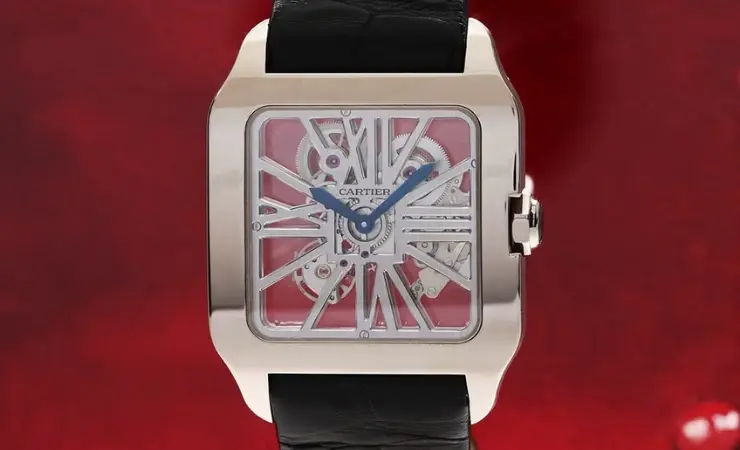
One of the only luxury watchmakers to have designs instantly recognizable without a logo on display, Cartier. Whether it was the square Santos or the curved Crash, Cartier case shapes have become historic icons of both watch and fashion history. If you happen to know all about the art of collecting timepieces, understanding the Cartier watch names and case styles is quite significant when it comes to buying, selling, appraising or restoring vintage and modern watches.
Experts such as Matthew Bain Inc. are in the business of dealing in collectible Cartier watches, including purchasing, selling, appraisals buying, curation and restoration services for rare vintage and modern examples.
This guide covers the classic Cartier watch names, the signature shapes of their cases and why these designs remain dominant in luxury watches.
Why Cartier Watch Shapes Matter
Whereas countless brands focus on the movements or complications itself, Cartier is unique for cumulatively raising the watch to art-wear; with a history of taking risks in watch as fashion. Prior to luxury watch design going experimental, the brand showcased geometric and unusual silhouettes in its case designs.
Several collectors today know Cartier timepieces only by their shape:
Square cases
Rectangular cases
Oval cases
Cushion-style cases
Asymmetrical designs
These designs help determine:
Historical significance
Market demand
Collectibility
Resale value
Restoration complexity
Rare case shapes on vintage Cartier models also tend to fetch a premium due to their rarity and their design heritage.
The Most Famous Cartier Watch Names and Shapes
The way their watches wear on the wrist is closely tied to how Cartier creates its cases. Every design has its own identity that distinguishes it from a regular round watch.
Cartier Watch Collections and Their Signature Shapes
Cartier Collection | Primary Case Shape | Known For |
Santos | Square | Aviation-inspired luxury sports watch |
Tank | Rectangular | Minimalist military-inspired elegance |
Baignoire | Oval | Jewelry-focused feminine design |
Tortue | Tonneau/Cushion | Curved Art Deco styling |
Crash | Asymmetrical | Avant-garde collectible design |
Pasha | Round | Sport-luxury aesthetic with crown cap |
Ballon Bleu | Rounded cushion | Modern curved profile |
Cloche | Bell-shaped | Rare experimental vintage design |
These models define Cartier’s reputation as a design-first luxury watchmaker.
Santos: The Square Pioneer
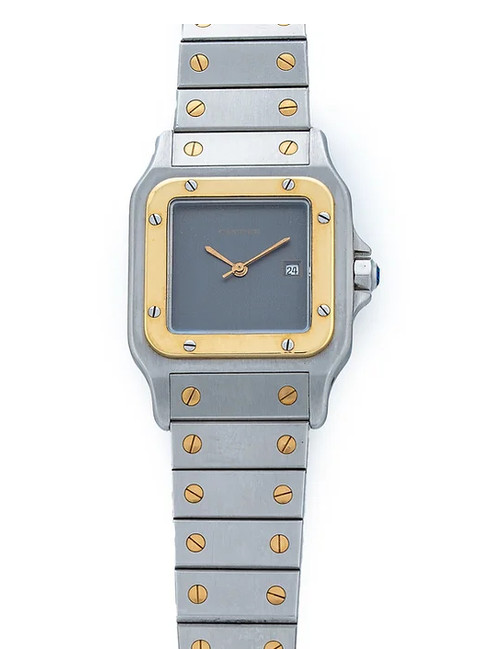
The history that has made Cartier Santos one of the most historically important wristwatches ever created. The Santos was originally designed in the early 1900s for aviator Alberto Santos-Dumont and pioneered the concept of a casual, yet luxury wrist watch.
Key features include:
Square bezel
Exposed screws
Integrated bracelet styling
Sport-luxury versatility
The Santos today remains in the top best-sellers for Cartier, and that is because it blends vintage charm and practicality for contemporary wear.
In this regard, vintage Santos Carrée and limited dial variations emanating with those from the after sales market are particularly in demand among collectors.
Tank: Cartier’s Most Iconic Shape
The Cartier Tank is perhaps the most recognizable design from the brand. With proportions inspired by military tanks shortly after World War I, it includes the following elements:
Straight brancards
Rectangular silhouette
Roman numeral dial
Blue sapphire crown
Various Tank offerings from Cartier have existed throughout the years:
Tank Louis Cartier
Tank Américaine
Tank Française
Tank Cintrée
Tank Must
The Tank is classic thanks to its rectangular case which tends to resonate with first-time
luxury buyers and collectors alike.
Oval and Curved Cartier Designs
Cartier also gained the reputation for more soft and artistic forms that blurred between jewelry and watchmaking.
Popular Cartier Curved and Artistic Case Shapes
Model | Shape Style | Collector Appeal |
Baignoire | Oval | Elegant vintage jewelry watch |
Crash | Distorted asymmetrical | Extremely rare and collectible |
Tortue | Curved tonneau | Classic Art Deco proportions |
Ballon Bleu | Rounded cushion | Contemporary luxury styling |
Cloche | Bell-shaped asymmetrical | Niche collector favorite |
The following watches illustrate Cartier's ability to sacrifice the old-school watch recipe in favour of an aesthetic/creative mess.
Baignoire: The Jewelry Watch Icon
Possibly the most elegant style from the storied French Jewelers, the oval-shaped case of the Cartier Baignoire has become one of its most identifiable styles. The model which was introduced early in the 20th century became synonymous with high fashion and Paris jewelry flat-style.
Collectors appreciate the Baignoire for:
Slim wrist profile
Minimalist elegance
Precious metal construction
Strong vintage appeal
Iconic Baignoire references combine both rarity and desirability, especially with original dials and factory bracelets.

Crash: Cartier’s Most Unconventional Watch
Few watches are quite as visually unique as the Cartier Crash. The case is a distorted asymmetric shape that has become one of the most iconic experimental, luxury watch designs ever made.
The reasons the Crash has become so popular are:
Extremely limited production
Artistic appearance
Celebrity ownership
Strong auction performance
Due to rarity and cultural significance, the market for modern & vintage Crash models often sells at a premium.
Tortue: Curved Elegance with Art Deco Influence
The Tortue is a curved tonneau-shaped case reminiscent of early 20th-century Art Deco designs.
The Tortue, unlike the sharp geometry of Tank or Santos, offers:
Softer proportions
Curved ergonomic wearability
Dress-watch sophistication
Complex Tortue models are also in demand, especially with chronograph or perpetual calendar functions.
Ballon Bleu: Cartier’s Modern Bestseller
The Ballon Bleu offered a more modern approach to Cartier's design. The case profile is rounded and feels a bit softer and more modern than the angular lines of the Santos or Tank, with an integrated crown guard.
The collection appeals to buyers looking for:
Everyday luxury wear
Contemporary styling
Unisex versatility
Larger case dimensions
The Ballon Bleu still is without a doubt one of the more successful modern commercial products for Cartier.
Why Case Shape Impacts Cartier Watch Value
Cartier watch collectibility and value is incredibly case design dependent.
Factors influencing value include:
Production rarity
Historical importance
Condition preservation
Originality of dial and crown
Market demand
More unusual forms, such as the Crash or Cloche, tend to perform better at auction as they are less easily sourced and immediately recognizable.
And original unpolished cases, particularly for vintage Cartiers, are also very important to collectors and dealers. Services from specialists like Matthew Bain Inc. help to preserve these collectible characteristics by providing appraisal, restoration and curation services.
Cartier’s Design Legacy Continues
Cartier revolutionized luxury watchmaking by showing how case shape could become as meaningful an element in the brand.
Many of the most design-forward watches ever produced belong to what are often called Cartier timepieces, from the architectural Santos to the surreal Crash. A brief explanation of these names and shapes will help collectors get a better sense for authenticity, collectibility and long-term value.
The key to truly grasping the lasting impact that Cartier has had on horology is acknowledging the correlations between model names and case architecture, whether you're buying your first Cartier or putting together a serious vintage collection.
FAQs
What are the most popular Cartier watch collections?
Cartier watches are designed in six key collections, which are Tank, Santos, Ballon Bleu, Pasha, Baignoire and Crash. Every collection is distinguished by its own case shape and styling history, making Cartier one of the most identifiable luxury watch brands on earth.
Why are Cartier watch case shapes important?
Watch case shapes are a key element in Cartier designs, dictating design identity and affecting collectibility, resale value and historical significance. Striking silhouettes such as the Crash or Tank are iconic and collectors will pay a premium for a unique watch developed by a luxury watch brand.
What is the difference between Cartier Tank and Santos watches?
The Cartier Tank has a shaped case that was inspired by army military tanks and comes with a sleek dress-watch profile. The Santos has a square case design with visible screws and was first designed for aviation pioneer Alberto Santos-Dumont.
Which Cartier watch shape is the rarest?
One of the rarest & most collectible shapes from Cartier is the famed Crash. That aggressive asymmetric distressed design, low build numbers and hot auction platform collectively acts as a catalyst to enhance collector value expectations globally. This rare and famed design is also a favorite amongst celebrities, who wear them as a badge of success on important highly watched occasions and events.
Do Cartier watch shapes affect resale value?
Yes, Cartier watch shapes can have a big impact on resale value. Collectible and historic designs like the Crash, Cloche & vintage Tank models often command higher prices due to collector interest and their scarcity, with the design of these timepieces being very iconic.
Comments